Meeting Room Etiquette and Setup Tips for a Productive 2026
As businesses continue to refine how they collaborate in 2026, meetings remain one of the most powerful tools for alignment, decision-making, and growth—when done right. Whether you’re meeting with clients, hosting internal strategy sessions, or leading hybrid discussions, the way your meeting room is set up and used can make or break productivity.
At 210 Go Offices, we see firsthand how professional spaces and good meeting habits lead to better outcomes. Here’s a practical guide to meeting room etiquette and setup tips that will help you start the year strong.
1. Start With the Right Meeting Room Setup
A productive meeting begins before anyone walks in.
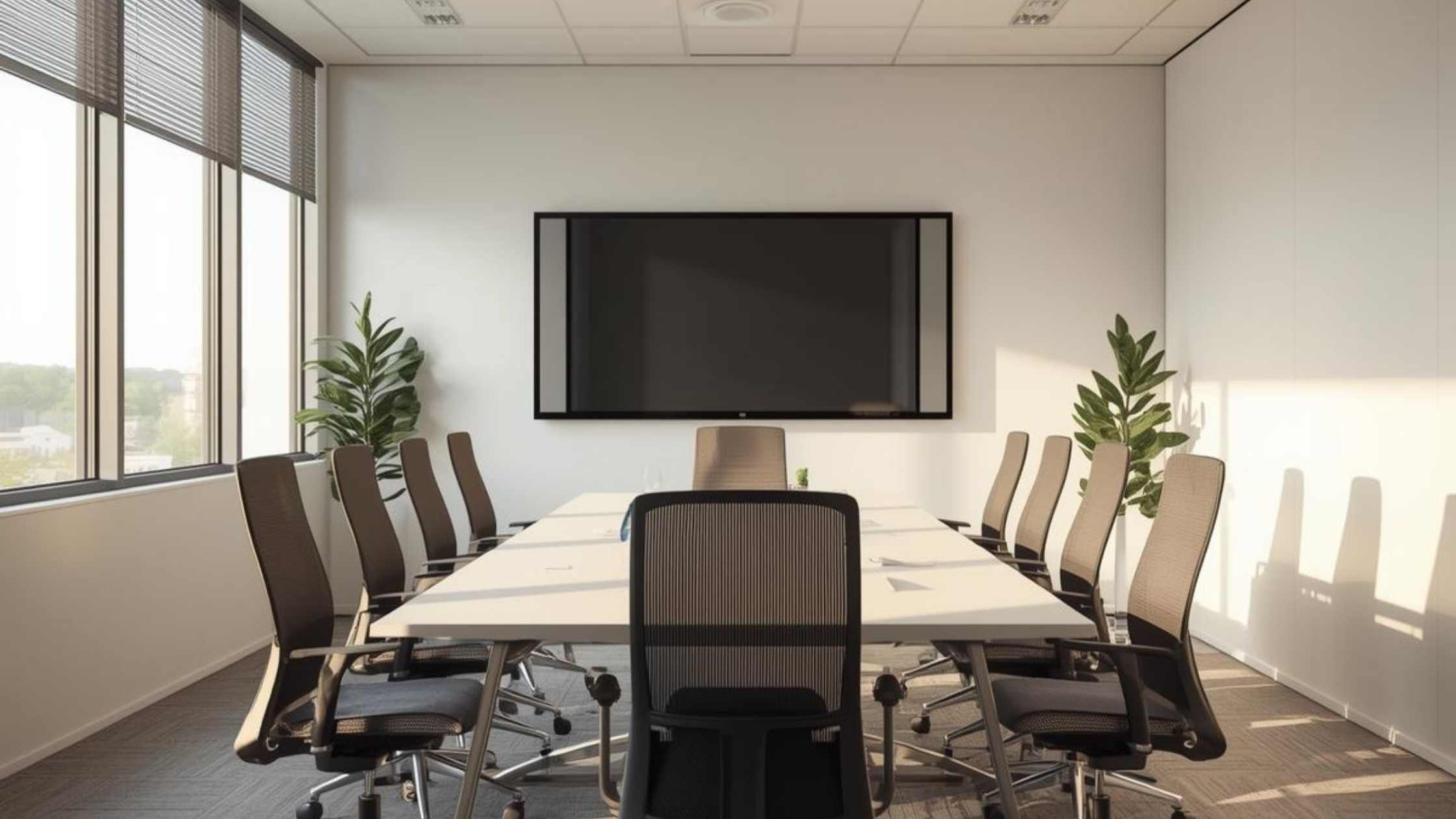
Key setup essentials:
- Comfortable seating with adequate spacing
- Proper lighting (avoid harsh overhead glare)
- A clean, clutter-free table
- Whiteboards or screens positioned for clear visibility
- Easy access to power outlets and charging stations
A well-prepared room communicates professionalism and keeps participants focused on the agenda—not on distractions.
2. Match the Room to the Purpose of the Meeting
Not all meetings are created equal.
- Client meetings: Choose a polished, quiet room that reinforces credibility and trust
- Team collaboration: Opt for rooms with whiteboards and flexible seating
- Strategy sessions: Privacy and minimal interruptions are key
- Hybrid meetings: Reliable Wi-Fi, cameras, and audio equipment are essential
Using the right space for the right purpose ensures meetings stay efficient and on track.
3. Arrive Early and Be Prepared
One of the simplest yet most overlooked etiquette rules: arrive early.
Being ready before the meeting starts allows time to:
- Test screens, microphones, and video calls
- Organize handouts or digital files
- Welcome clients or participants professionally
Starting on time sets the tone for respect and efficiency.
4. Keep Technology Working for You (Not Against You)
Technology should enhance meetings—not interrupt them.
Best practices for 2026:
- Test video conferencing tools in advance
- Mute notifications on laptops and phones
- Assign one person to manage screen sharing or presentations
- Have a backup plan (printed notes or offline files)
Professional meeting rooms with built-in tech eliminate common frustrations and save valuable time.
5. Practice Professional Meeting Etiquette
Small behaviors have a big impact on meeting productivity.
- Silence phones and avoid multitasking
- Listen actively—don’t interrupt
- Stick to the agenda and respect time limits
- Encourage participation, but keep discussions focused
Good etiquette creates smoother conversations and more actionable outcomes.
6. Use Clear Agendas and Defined Outcomes
Every meeting should answer two questions:
- Why are we meeting?
- What should happen next?
A clear agenda helps participants prepare and keeps discussions productive. End meetings with:
- Action items
- Assigned responsibilities
- Deadlines or follow-up dates
This turns meetings into progress—not just conversations.
7. Create a Professional Impression for Clients
Meeting clients in a professional environment instantly elevates your brand.
A polished meeting room:
- Builds trust and confidence
- Reinforces your business credibility
- Shows attention to detail and organization
For many businesses, hosting meetings in a professional office setting makes a stronger impression than meeting at home or in public spaces.
8. Reset and Respect the Space After Every Meeting
Good etiquette doesn’t end when the meeting does.
- Clean up papers and personal items
- Erase whiteboards if requested
- Return chairs and equipment to their original setup
- Leave the room ready for the next group
Respecting shared spaces ensures a professional environment for everyone.
Why Professional Meeting Rooms Matter in 2026
As hybrid work, flexible schedules, and client expectations continue to evolve, having access to professional meeting rooms is no longer a luxury—it’s a business necessity.
Modern meeting spaces provide:
- Reliable technology
- Comfortable, distraction-free environments
- A professional setting that enhances communication
Elevate Your Meetings This Year
If you’re planning for a more productive 2026, upgrading how and where you meet is a smart place to start. Professional meeting rooms help you stay organized, focused, and ready to make the right impression—every time.
FAQ
What is proper meeting room etiquette?
Proper meeting room etiquette includes arriving on time, preparing materials in advance, silencing devices, respecting agendas, and keeping discussions focused. These habits help meetings run smoothly and professionally.
How should a meeting room be set up for productivity?
A productive meeting room should have comfortable seating, good lighting, reliable Wi-Fi, presentation screens or whiteboards, and easy access to power outlets. The layout should match the meeting’s purpose.
Why does meeting room setup matter for client meetings?
Meeting room setup directly affects first impressions. A clean, professional, and well-equipped room builds trust, credibility, and confidence with clients, making discussions more effective.
What technology is essential in modern meeting rooms in 2026?
Modern meeting rooms should include high-speed internet, video conferencing capabilities, display screens, charging stations, and reliable audio equipment to support in-person and hybrid meetings.
How long should business meetings last?
Most productive meetings last between 30 and 60 minutes. Clear agendas and defined goals help keep meetings efficient and prevent unnecessary time overruns.
Are professional meeting rooms better than meeting from home or cafés?
Yes. Professional meeting rooms reduce distractions, improve focus, provide better technology, and create a more credible environment—especially for client meetings or important discussions.
Can small businesses benefit from professional meeting rooms?
Absolutely. Small businesses gain access to high-quality spaces, modern amenities, and a professional setting without the cost of long-term office leases.
How can meeting rooms improve team collaboration?
Dedicated meeting rooms encourage engagement, structured discussion, and accountability, helping teams communicate more clearly and make faster decisions.
Do shared office spaces offer private meeting rooms?
Many shared office spaces, like 210 Go Offices, offer private, fully equipped meeting rooms designed for client meetings, team sessions, and hybrid collaboration.
How can better meetings improve business performance in 2026?
Well-run meetings save time, reduce miscommunication, strengthen relationships, and lead to clearer action steps—directly impacting productivity and growth.
Author